-
Yes, you too are an inventor!

The title of “inventor” often carries with it a hallo of unreachability by common folks. When we think of an inventor, we often think of Thomas Edison, Alexander Graham Bell, Samuel Morse, or Henry Ford. We don’t usually think of the modern researchers in the labs, the professors in the universities, and the internet entrepreneurs. We certainly don’t…
-
Inter Partes Review (IPR) in a nutshell
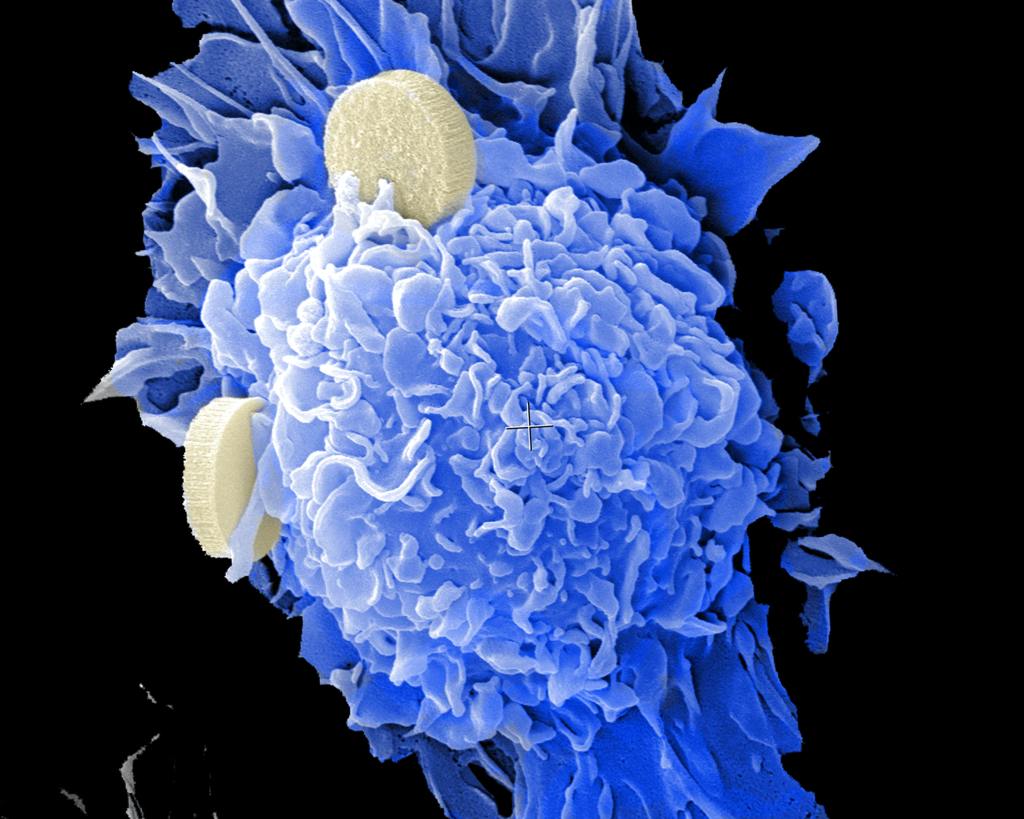
Inter partes review (“IPR”) is one of the several tools established under the AIA for an issued patent to be challenged through an administrative process administered by USPTO. The rationale for using an IPR process rather than a court proceeding is the perceived cost saving even though I personally do not think the process is as inexpensive…
-
Copyrights protection for mechanical drawings
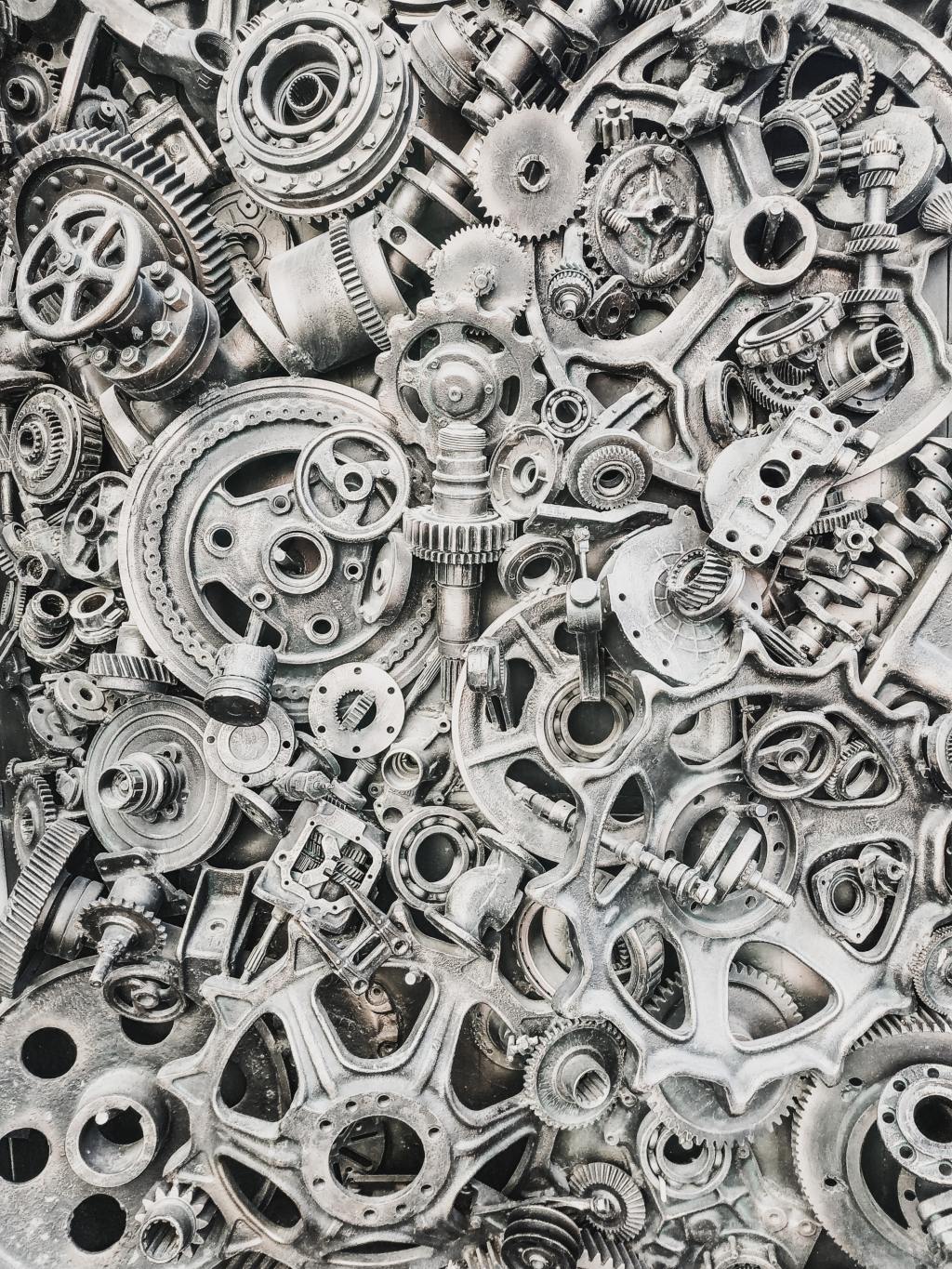
Imagine that you are a mechanical engineer who has designed a new type of umbrella. The umbrella has a unique arrangement of ribs and stretchers, which, you believe, would enable the umbrella to withstand higher wind speed than the conventional umbrella. You created several mechanical drawings of the umbrella. In these drawings, you showed the details of the…
-
No, you can’t collect royalty on an expired patent

The owner of the patent has the right to stop anybody else from using the patented invention without permission (i.e., without a license from the owner), but only during the patent life term and not after the patent expires. Patent owners often agree to let others use the invention if the users pay “royalties” to…
-
Authorized Generics
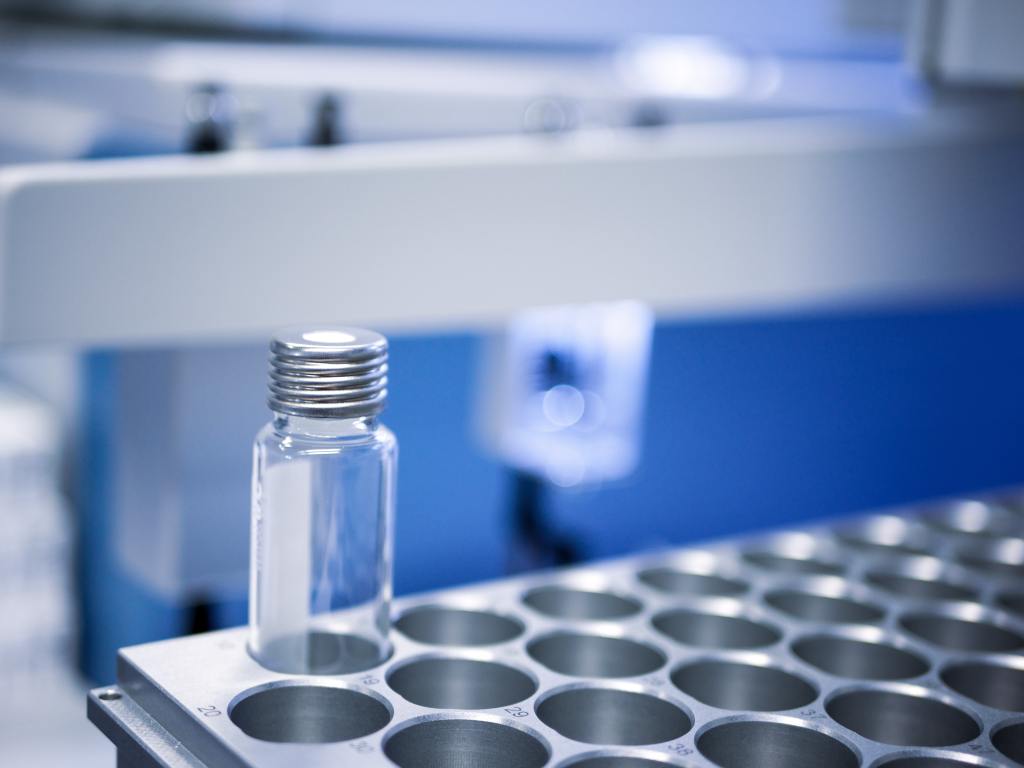
I. INTRODUCTION The battle between brandname and generic companies can be classically deemed a struggle for economic profit. Generally, the process of bringing a new drug to market takes about twelve years, and costs around $359 million. It has been estimated that only one in five thousand compounds makes to the second round of testing while only…
-
Double Check the IP Ownership Clause in Your Employee or Consultant Contract

Here is a Déjà vu moment for you: You had a research team working on a high valued research project. Intellectual property was generated while hundreds thousands of dollars were poured into the research—all paid by you. The intellectual property was turned into several patent applications by a patent attorney whose service you paid for. Then there was a big fall…
-
Natural Product Patentability in view of Association for Molecular Pathology v. Myriad
After the Supreme Court announced that isolated gene is a product of nature and therefore no longer patentable, the first question that popped into my mind is—what about natural products? Natural products, as its name dictated, are products of nature. The most famous natural product is probably salicylic acid, a natural product isolated from willow…
-
Distinguishing trademark strategy from patent strategy
In my experience of advising businessmen on companies’ intellectual property strategy, I noticed an odd phenomenon: business guys often confuse trademark rights with patent rights and hence trademark strategy with patent strategy. This blog post aims to clarify some basic features of trademark rights and patent rights and the distinction between the two forms of…
-
Patenting Strategies for Small Businesses and Individual Inventors–patent right basics
In this post, I will discuss a few basic concepts in the US patent law. The discussion in this post will be very minimal and skeletal. If you want to learn more about US patent law, I recommend you to read a book on basic patent laws (there are a lot of books on the market). Also, if…
-
Patentability eligibility of gene: isolated gene is patentable in Australia
While Myriad’s breast cancer gene patents were challenged in US, they were also challenged in Australia. However, before the US Supreme Court declared isolated gene as non-patentable subject matter in AMP v. Myriad on June 13, 2013, an Australian federal court reached the opposite decision holding that the isolated gene is patentable in Australia on February 15, 2013.…